


T-Mobile is shifting toward an all-digital model with its T-Life app at the center. Stores may close, but service quality should stay the same.
T-Mobile’s long-discussed shift toward becoming a fully digital carrier is moving forward, and the signs are clearer than ever. With Srini Gopalan set to replace Mike Sievert as CEO on November 1st, the company is doubling down on its T-Life app as the centerpiece of its future strategy.
This summer, reports surfaced that store reps were being pressured to complete a certain percentage of transactions through the T-Life app. In fact, some were so focused on hitting their targets that they avoided selling replacement phones to customers with broken devices—since those customers couldn’t initially access the app.
After backlash, T-Mobile adjusted its rules, allowing reps to open new phones in-store so the app could be installed before completing a transaction. Even so, reps worried whether customers would qualify for financing or have enough credit to walk out with a replacement.
The digital push and its consequences
Some employees voiced frustration over lost bonuses tied to T-Life usage, with many complaining about the app’s buggy performance. One district manager even asked how they were supposed to explain to staff that “a barely working app” was costing them hundreds of dollars in lost pay.
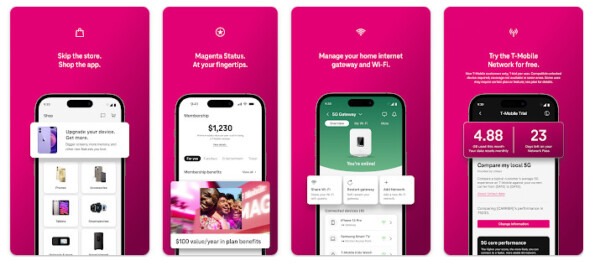
This raises the bigger question: Is T-Mobile preparing to abandon its retail footprint and go all-digital?
Signs point to yes. If that happens, we could see T-Mobile shuttering stores, reducing staff, and operating more like Verizon’s Visible. But there’s an important distinction—T-Mobile owns its own spectrum and infrastructure, giving it more pricing control and flexibility than MVNOs like Visible, which lease capacity from major carriers.
Also Read: OnePlus 15 With Snapdragon 8 Elite Gen 5 Confirmed – Xiaomi 17 Beats It to First Launch
What this means for customers
Even as a digital-first provider, T-Mobile will continue to offer both prepaid and postpaid plans. The service itself won’t change—customers will still enjoy strong 5G coverage backed by T-Mobile’s 2.5GHz mid-band spectrum. The main shift will be in account management, with the T-Life app likely becoming the primary way customers handle billing, upgrades, and rewards like T-Mobile Tuesdays.
For older subscribers or those less comfortable with apps, T-Mobile will likely provide a dedicated phone line for support. But overall, the company seems committed to reducing overhead costs from leases and commissions, boosting profits, and, in turn, satisfying investors.
Bottom line
T-Mobile’s wireless service isn’t going anywhere—but the way you interact with the company might. If the transition succeeds, customers could see better deals and continued perks, while the carrier reaps the financial rewards of a leaner, more digital operation.
Also Read: T-Mobile Expands Satellite Support to iOS Apps, Apple Pushes Back
Also Read: OnePlus 15 With Snapdragon 8 Elite Gen 5 Confirmed – Xiaomi 17 Beats It to First Launch
Also Read: Samsung Galaxy A17 5G Review: Stylish Looks, Average Power
For the latest mobile news, reviews, and deals, follow ARYMobiles on X, Facebook, WhatsApp, and Threads. Stay updated with the newest gadgets by subscribing to our YouTube channel. Want to explore top influencers in the tech world? Follow Who’s ThatARY on Instagram and YouTube