


Bugatti Veyron at 20: From Wild Dream to Cult Icon – News
Twenty years ago, Bugatti shocked the automotive world with a car so audacious that many thought it would never happen. The Bugatti Veyron, launched in 2005, wasn’t just a hypercar — it was an engineering moonshot. Two decades later, it’s more than a machine; it’s a legend that has aged into one of the coolest icons in car history.
Numbers That Still Stun
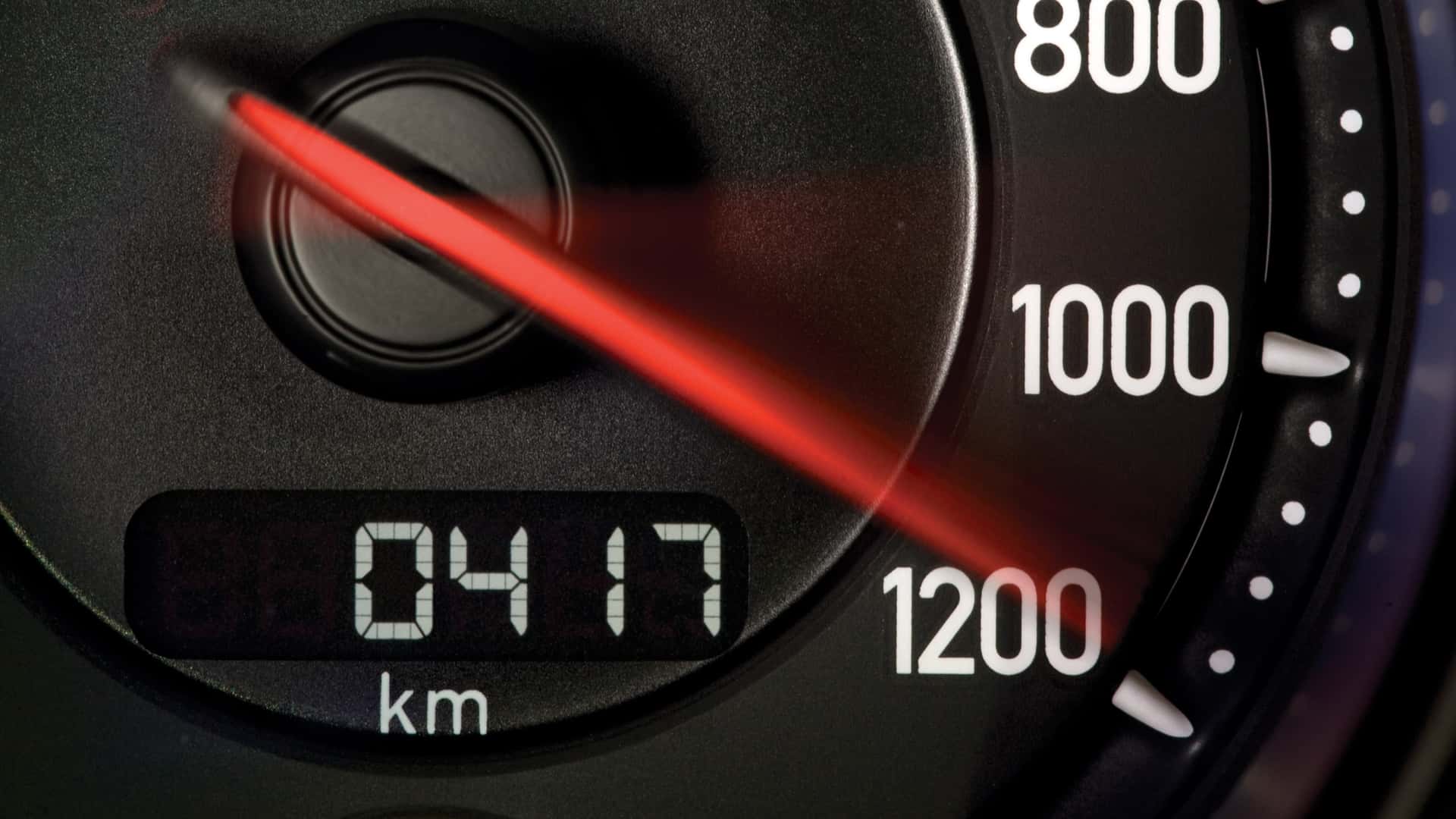
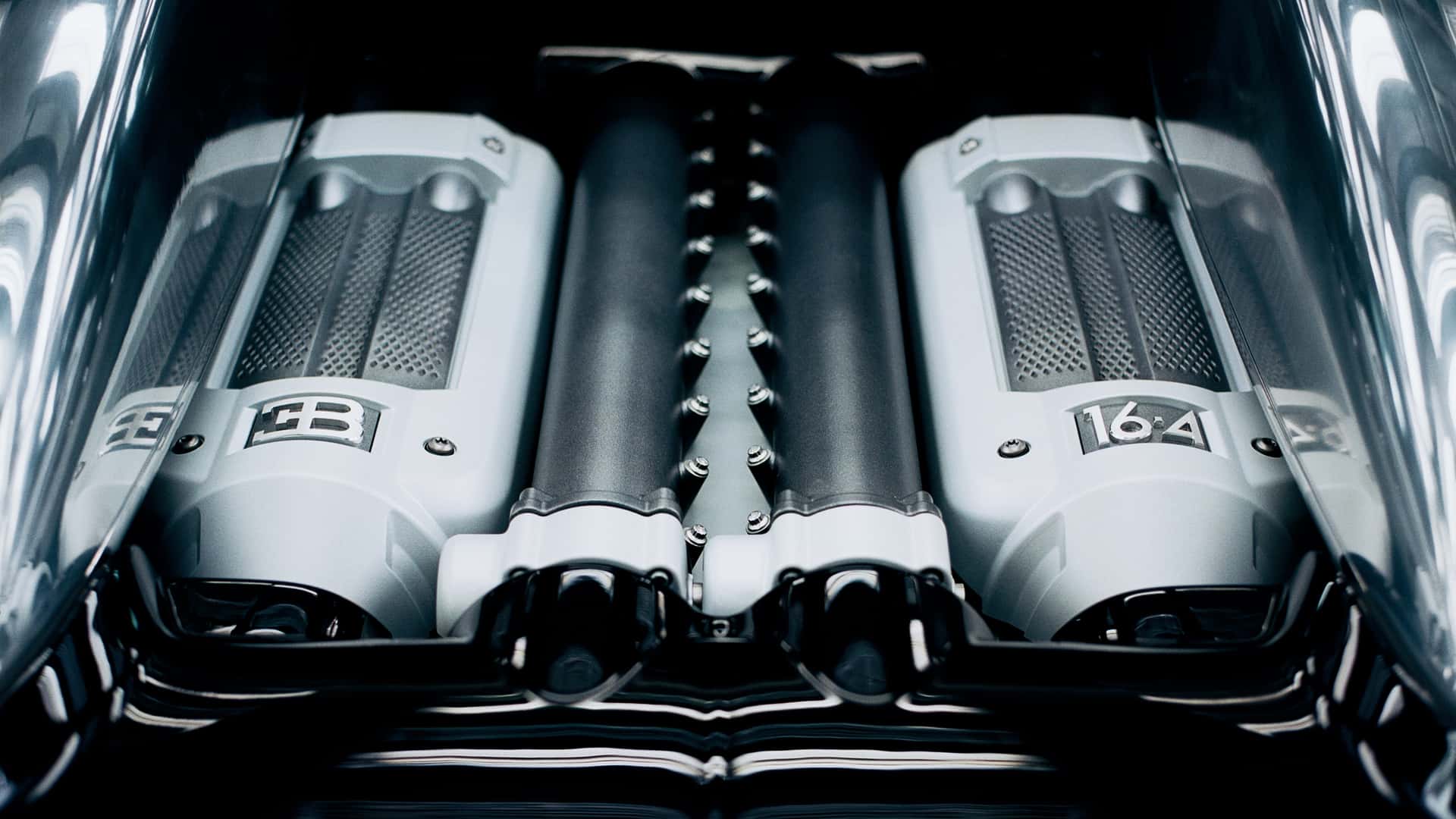
Even today, the Veyron’s stats look like science fiction. A quad-turbo 8.0-liter W16 engine produced 1,001 horsepower (736kW) and a top speed of 407 km/h (253 mph), making it the first production car to smash the 400 km/h barrier.
Yet, the Veyron wasn’t a stripped-out racer. It was built to be as effortless to drive to the opera as it was to break speed records. That duality — mind-bending numbers wrapped in everyday usability — set it apart from anything before or since.
Piëch’s Impossible Bet
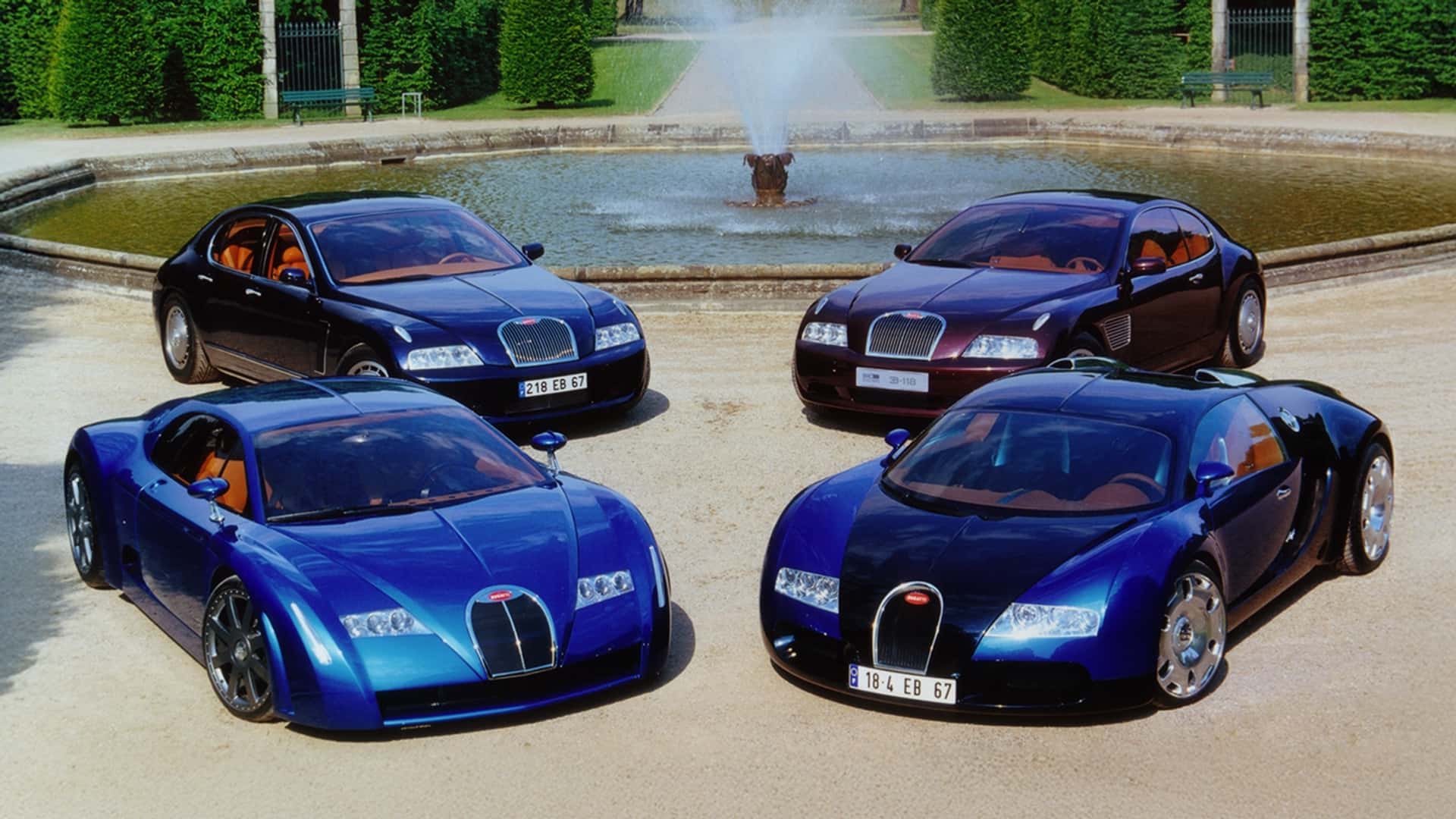
The Veyron’s story begins with Ferdinand Piëch, the famously uncompromising VW Group chairman. On a Japanese bullet train in the late 1990s, he pitched the idea of a 1,000 PS, 400 km/h road car. Engineers thought he was out of his mind, but Piëch had a history of turning “impossible” into reality.
Early prototypes tested wild W18 engines, but relentless setbacks — exploding seals, shredded driveshafts, overheating issues — forced the team to rethink everything. Eventually, they landed on the now-legendary W16 quad-turbo layout.
“Knowing Herr Piëch, the Veyron is a typical Piëch car,” recalled former Bugatti president Franz-Josef Paefgen. “Totally dedicated to engineering challenges.”
From Misfit to Masterpiece
When it debuted, the Veyron faced criticism. It was heavy, packed with tech, and lacked the raw soul of purist supercars like the McLaren F1. Gordon Murray, father of the F1, called it more of a technical statement than a driver’s car.
But time has been kind. Like the Lexus LFA or Jaguar XJ220, the Veyron needed years for enthusiasts to truly appreciate it. Today’s younger car fans see it for what it is: an outrageous engineering achievement that rewrote the rules.
Vanity Project or Visionary Icon?
Bugatti built just 450 Veyrons, with reports suggesting VW lost over $6 million on each one. By traditional business logic, it was a disaster. But that’s exactly what makes it special.
Most cars exist to make money. The Veyron existed because one man wanted to prove it could be done. It was pride, vanity, and brilliance rolled into carbon fiber and titanium. And that’s why, two decades later, it’s cooler than ever.
Legacy at 20 Years
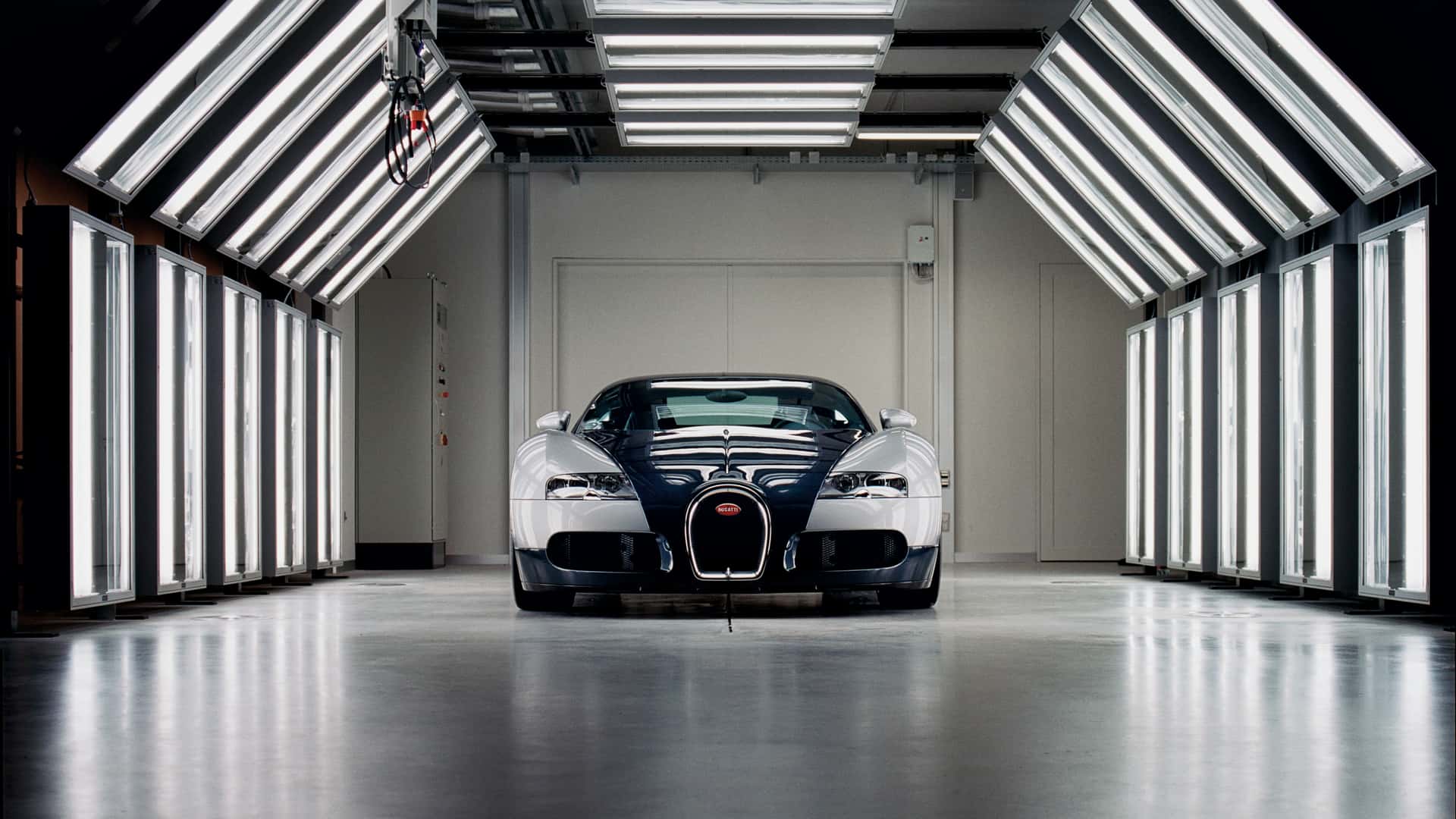
The Veyron isn’t just remembered for its speed. It stands as a symbol of what happens when ambition outweighs spreadsheets. It inspired a generation of engineers, pushed competitors to chase impossible numbers, and reminded car lovers that some machines are built for passion, not profit.
Today, as the industry shifts toward electrification and efficiency, the Veyron feels like the last great mad scientist’s experiment — excessive, improbable, and unforgettable.
Twenty years on, it’s not just a car. It’s a monument to ambition.
Also Read: BSNL Quantum 5G FWA: Plans, Speed, and Rollout Details in India
For the latest mobile news, reviews, and deals, follow ARYMobiles on Google News, X, Facebook, WhatsApp, and Threads. Stay updated with the newest gadgets by subscribing to our YouTube channel. Want to explore top influencers in the tech world? Follow Who’s ThatARY on Instagram and YouTube